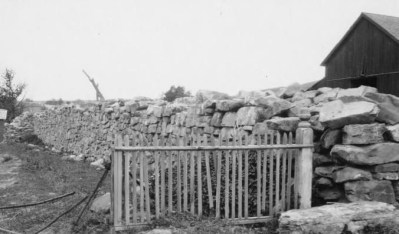
Cedar Fort, Utah (from Utah State Historical Society)
When Thirza Angelina Hale Nay settled in Cedar Fort, Utah, she was in the company of other families of settlers, but living there was challenging to say the least. From the book Nay Family in Utah and the West: “Life in the uninhabited Cedar Valley was not easy. Logs for homes and the fort had to be brought from the nearby mountains. Water had to be directed for irrigation and gardening. And the Indians proved troublesome.” It was a far cry from the lush and green hills of Vermont and New Hampshire, where she had been raised, or even the rolling plains of the Midwest where she had traveled and camped with other saints since leaving Nauvoo.
This was not the only challenge. As the attacks from the Indians subsided, a new problem came on to the horizon. From the book again: “That re-commitment to gospel principles may have been sorely tested two years later when Utah residents learned that President James Buchanan was sending a large contingency of soldiers to the territory to put the the so-called war against federal authority by the Latter-day Saints. In reality, the “war” was emotional rhetoric on both sides debating Utah Territory’s request for statehood. Among other things, the practice of polygamy was at the head of the list of the emotionally charged debates.”
In 1857, amidst the physical threats and challenges came a new personal one for Thirza. She and her husband John received a second Patriarchal Blessing (a blessing “given to worthy members of the Church contain[ing] personal counsel from God.” lds.org). The wording of this blessing indicated she may be called to live the law of polygamy, and apparently she drew the line. We don’t really know what happened for sure, but her struggles were culminated in 1858 when she was excommunicated from the church that had brought her and her family west.
Thirza did leave John and the community sometime thereafter, as recorded in a manuscript account found in the LDS Church Archives, titled A barefaced case of Abduction. This tells the story of a soldier who was introduced to the family of Mr. John Nay and a “too familiar intimacy grew between the corporal and Nay’s wife.” According to this report they were married on the 23rd or 24th of November 1858 by a justice of the peace in Cedar Fort, and then disappeared.
Little is know of James Haven, the soldier in question who “abducted” Thirza; in fact little is known of Thirza after that time. But a few clues of her whereabouts came forward when we continued researching the family, starting with her son, my ancestor, Ormus Bates Nay, who robbed a train . . .
To be continued
 Mom's Tender Mercies